The Fingerprint of Sorrow: Why Your Grief is Unlike Anyone Else’s
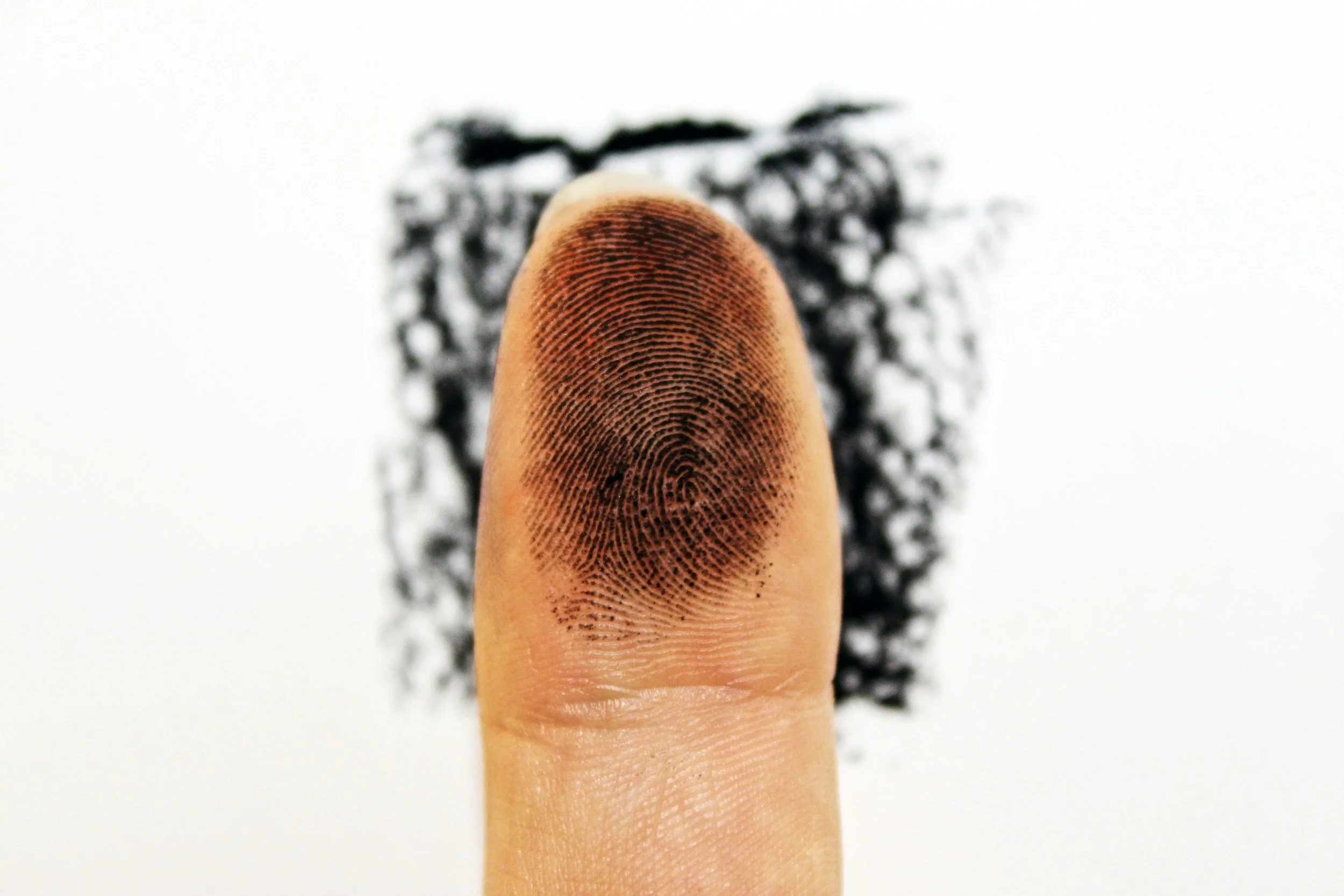
If you’ve ever tried to compare your pain to someone else’s, you know how quickly that path leads to frustration or guilt. Society often treats grief as a universal formula: a set of steps you must follow or a fixed timeline you must adhere to.
As a grief therapist, I can tell you that nothing could be further from the truth. Grief is as unique as a fingerprint. It is a dynamic, ever-changing process influenced by a complex web of factors, from your culture and personality, to the circumstances of the loss itself.
Understanding why your grief feels unique is the first step toward self-compassion.
The Woven Tapestry of Influence
Your personal experience of loss is shaped by countless factors that exist both inside and outside of you. Here are just a few of the major influences that make your grief distinct:
1. The Relationship: The Depth of the Bond
Grief is often described as the continuing expression of a bond that has been severed. The intensity of your grief is directly proportional to the nature of the relationship you lost.
Attachment Style: Were you securely attached, or was the relationship complex and filled with conflict? Losses involving ambivalent or dependent relationships often lead to grief that is heavier with guilt, relief, or unresolved questions.
Role: Losing a child is different from losing a parent, and both are different from losing a spouse or a friend. Grief reflects the role the person played in structuring your day-to-day life and sense of self.
2. Personality and Coping Style
Your own inherent makeup dictates how you process and express pain.
Emotional Expression: Are you someone who naturally expresses feelings externally (crying, talking), or do you tend to process internally (journaling, thinking)? Neither is better, but each requires different coping strategies.
Resilience: Your past experiences with loss, trauma, and change have already trained your brain to respond in a specific way.
3. Culture, Society, and Stigma
These external forces dictate what you feel allowed to express.
Cultural Rituals: Some cultures have elaborate, structured rituals for mourning (like wakes, shiva, or specific timeframes) that provide social support. Others offer very little public structure, leaving the bereaved feeling isolated.
Societal Stigma: As I often work with stigmatized deaths (like overdose or suicide), I see firsthand how shame and silence force grief underground. When society rejects the reason for the loss, it forces the mourner to carry their pain in secret.
Dispelling the Myth: The Stages of Grief
One of the most enduring myths about grief is the idea of the "Five Stages of Grief."
While Kübler-Ross's original framework (Denial, Anger, Bargaining, Depression, Acceptance) was groundbreaking for understanding the experience of terminally ill people facing their own death, it was never intended to be a neat, linear roadmap for the experience of the bereaved.
Why the Stages are Wrong for Mourners:
They Imply Linearity: The stages suggest you complete one and move on to the next. In reality, grief is a messy emotional roller-coaster. You might feel acceptance in the morning and explosive anger by the evening.
They Promote Self-Judgment: When you jump from "Acceptance" back to "Denial," you might feel like you're "failing" at grief. There is no right way to do it, and there is certainly no wrong way.
Modern Theory: Current, evidence-based models, such as the Dual Process Model, better reflect reality by suggesting that mourners oscillate between Loss-Oriented (focusing on the pain of the loss) and Restoration-Oriented (focusing on life changes and moving forward) coping.
A Shift in View: From Detachment to Continuing Bonds
Historical views of grief, often called the "classic model," demanded that the mourner break all emotional ties with the deceased and reinvest that energy into new relationships. The goal was to reach a state of complete detachment.
Today, therapists and researchers recognize that for most people, the goal is not detachment, but integration.
We now embrace the concept of Continuing Bonds, which acknowledges that it is normal and healthy to find ways to keep the deceased loved one as a part of your life. This may involve:
Talking about them freely.
Maintaining a ritual or memory.
Making life decisions based on their values or legacy.
Your grief is not a disorder to be cured, but a natural, painful, and often lifelong reaction to loving deeply.
Embrace the unique path of your own sorrow. It is a testament to the depth and power of your love.
If you find this helpful, please share it. And as always, reach out with any questions about navigating your unique grief journey.
Which external factor (e.g., culture, personality, or relationship dynamics) has most heavily influenced the unique shape of your grief? Share your insights in the comments.
Ready to find a lighter way forward? You don't have to carry this heavy burden alone.
I offer in-person grief therapy in the Denver, Colorado area and virtual therapy across all of Colorado and Pennsylvania.
Take the next step: Schedule a free, 15-minute consultation today to see how we can start working through your unique grief journey together.
