The Gentlest Companions: How Animals Help Us Carry the Weight of Grief
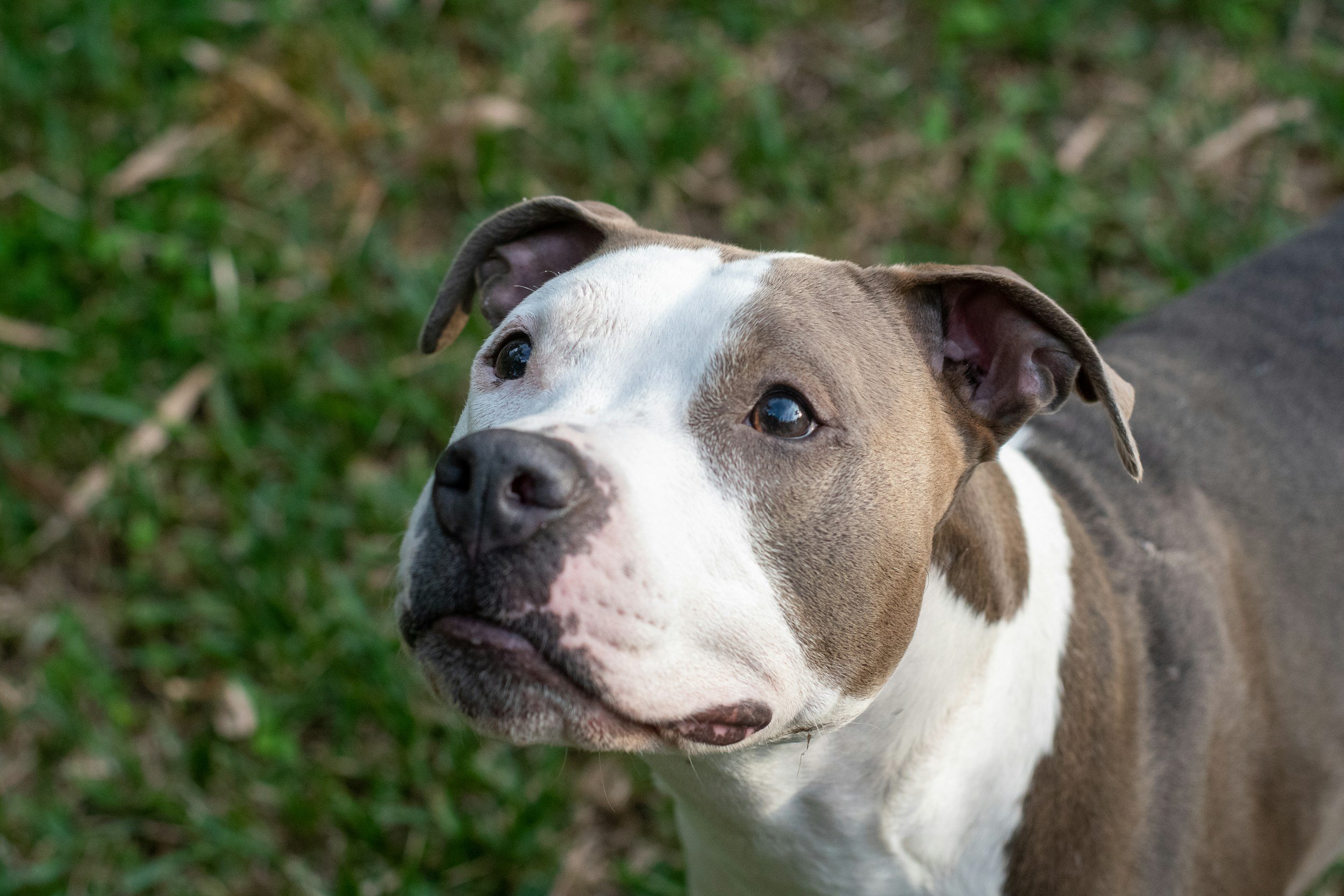
When you are deep in the "post-holiday haze" or the "quiet midnight" of loss, human conversation can sometimes feel like an impossible task. People ask questions, offer platitudes, or inadvertently press you for a timeline you don't have.
In those moments, the presence of an animal can offer a unique kind of sanctuary.
Whether it is a dog resting its head on your knee, a cat purring in the dark, or even the rhythmic responsibility of caring for a horse or a bird, animals provide a specific type of "grief-informed" support that humans often struggle to replicate.
The Power of Non-Verbal Presence
One of the most exhausting parts of grief is the pressure to "explain" how you feel. Animals don’t require an explanation.
They don’t need you to "find the words," and they aren't uncomfortable with your silence or your tears. This non-verbal presence creates a safe harbor where you can simply be without the performance of "doing okay." In the therapy world, we call this "holding space," and animals are naturally gifted at it.
How Animals Support the Grieving Body
Grief isn't just in your head; it’s in your body. It manifests as a racing heart, shallow breathing, and a nervous system stuck in "fight or flight." Animals help us regulate our biology in several profound ways:
Somatic Grounding: The physical act of petting an animal can lower cortisol levels and release oxytocin. The rhythmic sensation of fur or the warmth of their body serves as a "grounding object," pulling you out of a grief spiral and back into the present moment.
Co-Regulation: Have you ever noticed your breathing slow down to match your pet’s while they sleep? This is co-regulation. Animals help settle our frayed nervous systems simply by being calm near us.
The Necessity of Routine: Grief can make the simplest tasks feel meaningless. However, a dog still needs a walk, and a cat still needs to be fed. These small, non-negotiable routines provide a "gentle tether" to the world, giving you a reason to move your body and open the blinds, even on the heaviest days.
Unconditional Acceptance (Without the Stigma)
As we’ve discussed in previous posts, society often attaches a "stigma" to certain types of loss or expects us to "move on" quickly.
Animals have no such expectations. They don't think you’ve been sad for too long. They don't feel awkward when you cry for the tenth time today. To an animal, you are simply their person, and your grief does not make you "broken" in their eyes. This unconditional acceptance is a powerful antidote to the isolation that so often follows death.
A Different Kind of Continuing Bond
Sometimes, our pets are the last living connection we have to our loved ones. Perhaps it was "their" dog or a cat you raised together. In these cases, caring for the animal becomes a beautiful Continuing Bond.
By tending to the creature your loved one loved, you are actively participating in their legacy. You are carrying their love forward in a tangible, living way.
Do you have a "silent companion" who has helped you through your darkest days? Whether it’s a pet of your own or a neighbor’s dog who always seems to know when you need a wagging tail, I’d love to hear about the animals helping you navigate your journey in the comments below.
If you find this helpful, please share it. And as always, reach out with any questions about navigating your unique grief journey.
Ready to find a lighter way forward? You don't have to carry this heavy burden alone.
I offer in-person grief therapy in the Denver, Colorado, area and virtual therapy across all of Colorado and Pennsylvania.
Take the next step: Schedule a free, 15-minute consultation today to see how we can start working through your unique grief journey together.
Laura Vargas, MSW, LCSW Vargas Counseling and Consulting www.vargascounseling.com
